 Metal Laser Cutting
 Laser Machine Welding
 Laser Machine Cleaning
 Metal Tube Cutting
 Non-metal Laser Cutting
 3D Laser Cutting
 Hide to VIP-SG
Cutting machines play a crucial role in modern manufacturing, where precision, efficiency, and consistency are key to meeting production demands. From metals and plastics to textiles and composites, cutting machines are used across industries to transform raw materials into finished products. But how exactly are these machines used in real manufacturing scenarios?
Material Preparation
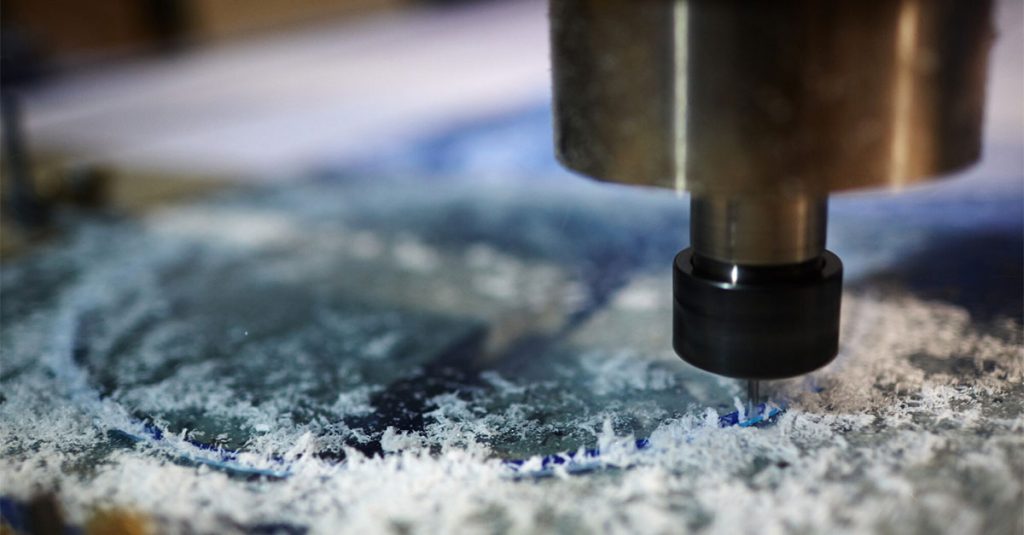
Before any assembly or processing can begin, raw materials must be cut into specific shapes and sizes. Cutting machines automate this task with high accuracy, reducing waste and saving time. Whether it’s sheet metal for automotive parts or fabric for clothing production, cutting machines ensure every piece is ready for the next step.
1. Material Preparation
Before any assembly or processing can begin, raw materials must be cut into specific shapes and sizes. Cutting machines automate this task with high accuracy, reducing waste and saving time. Whether it’s sheet metal for automotive parts or fabric for clothing production, cutting machines ensure every piece is ready for the next step.
2. Precision and Repeatability
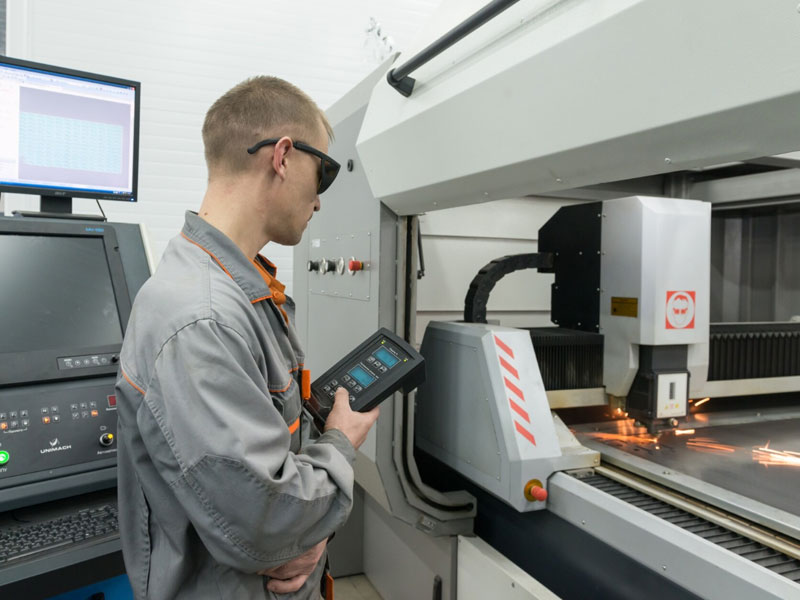
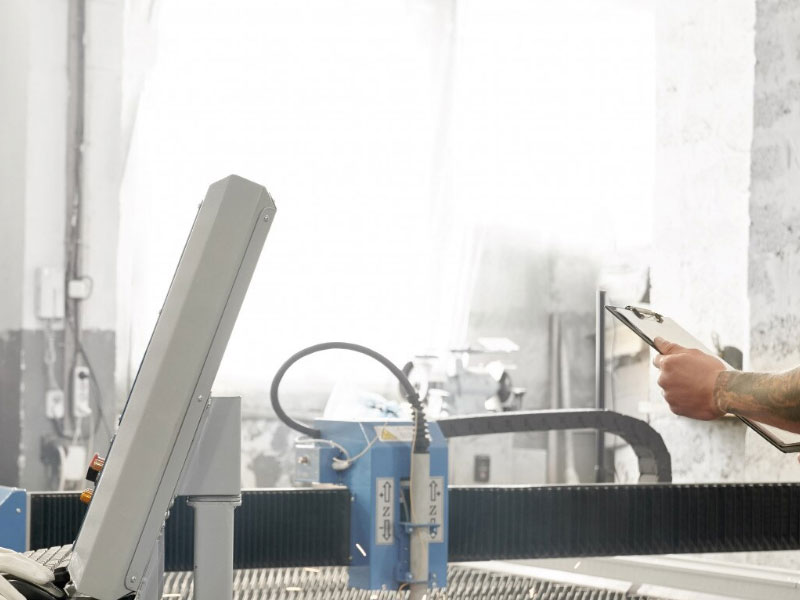
One of the major advantages of cutting machines—especially CNC (Computer Numerical Control) models—is their ability to perform complex cuts with extreme precision. Once a design is programmed into the machine, it can reproduce the same shape hundreds or even thousands of times with minimal deviation. This is especially critical in aerospace, medical, and electronics manufacturing, where tolerances are tight and quality control is non-negotiable.
3. Versatility in Applications
Cutting machines come in various types—laser cutters, waterjet cutters, plasma cutters, and mechanical shears—each suitable for different materials and tasks. For example:
-
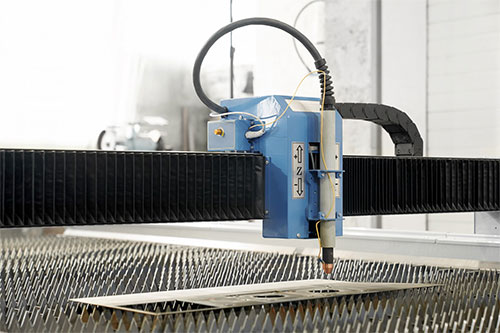
Laser cutting is ideal for thin metal sheets with intricate details.
-
Waterjet cutting can handle thicker materials and is suitable for heat-sensitive products.
-
Plasma cutting offers fast processing for thicker metals like steel and aluminum.
This versatility allows manufacturers to choose the best machine for their specific application.
4. Integration With Automation
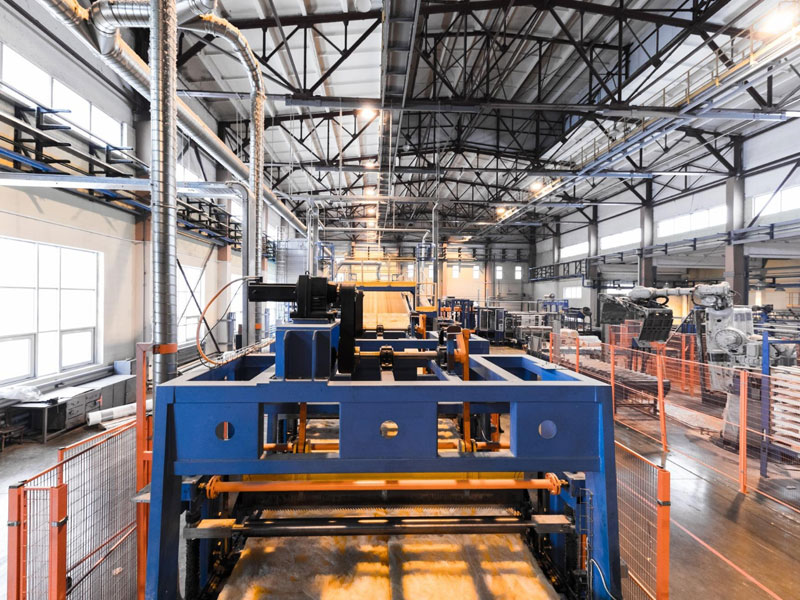
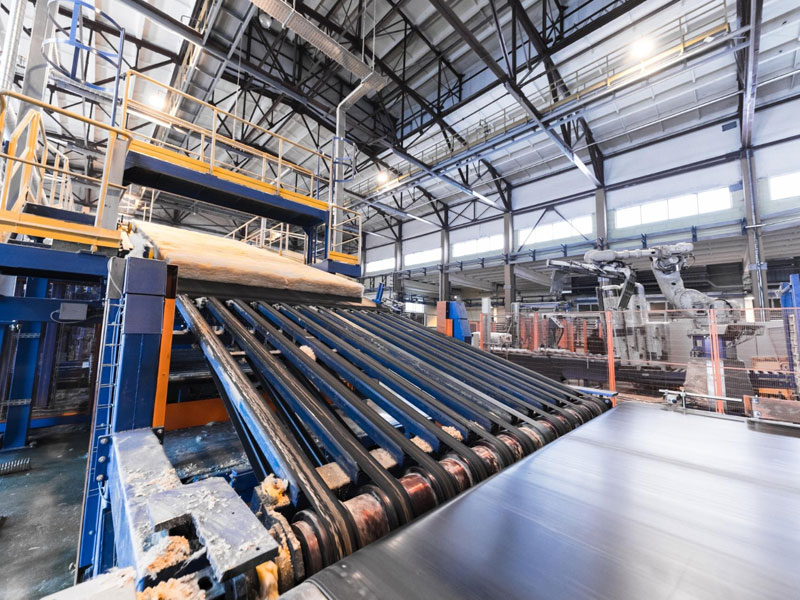
Modern manufacturing facilities often integrate cutting machines into automated production lines. With robotic arms and conveyor systems, materials can be loaded, cut, and moved to the next station without human intervention. This not only increases output but also reduces the risk of injury and error.
5. Customization and Prototyping
For companies that deal with custom orders or new product development, cutting machines are invaluable tools. Prototypes can be produced quickly, allowing designers and engineers to test form and fit before mass production. Small-batch customization is also possible without the need for expensive tooling changes.
Conclusion
From raw material preparation to final product shaping, cutting machines are an essential part of manufacturing. Their precision, speed, and adaptability help companies stay competitive in a demanding global market. Whether you’re in metal fabrication, textiles, packaging, or electronics, investing in the right cutting machine can dramatically improve production efficiency and product quality.
Comparison of Common Cutting Machine Types
| Type | Suitable Materials | Advantages | Limitations |
|---|---|---|---|
| Laser Cutter | Metals, plastics, wood, acrylic | High precision, clean edges, fast for thin materials | Not ideal for thick or reflective metals |
| Waterjet Cutter | Metal, stone, glass, composites | Cold cutting (no heat), cuts thick materials | Slower, requires water treatment |
| Plasma Cutter | Steel, aluminum, stainless steel | Very fast for thick metals, cost-effective | Less precise than laser, generates heat & noise |
| Mechanical Shear | Metal sheets | Simple operation, low cost, fast straight cuts | Limited to straight lines, less flexible |
| Die Cutter | Paper, fabric, rubber, thin metal sheets | Great for mass production of repetitive shapes | Not suitable for complex or custom designs |